Dental Bridges in Loma Linda, CA | Coral Cove Dental
Dental Bridges in Loma Linda, CA
A missing tooth can affect more than the appearance of your smile. You may notice changes in how you chew, speak, or feel when you smile, especially when the missing tooth is visible. Over time, neighboring teeth can also shift into the open space, which may affect your bite and make the area more difficult to keep clean.
At Coral Cove Dental, we offer dental bridges as one option for replacing missing teeth and restoring everyday function. A bridge fills the space left by one or more missing teeth with a fixed restoration supported by neighboring teeth or, in some cases, dental implants.
Dr. Johnson, Dr. Gladvin, and our dental team will evaluate your complete oral health before recommending a bridge. We’ll also explain how a bridge compares with other tooth replacement options so you can make a decision that feels right for you.
To learn more about dental bridges or schedule a visit, call Coral Cove Dental at (909) 796-6447.
Quick Takeaways
- A dental bridge replaces one or more missing teeth and fills the space with an artificial tooth or teeth.
- Traditional bridges are supported by neighboring teeth that are prepared to hold crowns.
- A bridge is fixed in place and does not need to be removed for eating or sleeping.
- The health and strength of the surrounding teeth and gums are important when determining whether a bridge is appropriate.
- Dental implants and removable partial dentures may be alternatives depending on your individual needs.
- Your treatment timeline depends on the type of bridge and whether additional dental care is needed first.
What Is a Dental Bridge?
A dental bridge is a custom-made restoration designed to replace one or more missing teeth. The artificial tooth, called a pontic, fills the open space while the restoration is supported by surrounding teeth or, in some cases, dental implants.
A traditional dental bridge typically uses crowns on the teeth next to the missing tooth. These supporting teeth are called abutment teeth. The crowns are connected to the replacement tooth, creating one restoration that is secured in place.
Because a traditional bridge is fixed, you do not remove it at night or take it out while eating. Once you have adjusted to it, your bridge becomes part of your everyday smile.
The design of your bridge depends on several factors, including where the tooth is missing, how many teeth need to be replaced, the condition of the surrounding teeth, and how your bite comes together. We’ll consider these details before recommending a specific type of restoration.
When Might You Need a Dental Bridge?
A bridge may be an option when one or more teeth are missing and there is enough healthy support around the space to secure the restoration.
People may consider a dental bridge after losing a tooth because of:
- Severe decay or infection
- An injury that damaged the tooth beyond repair
- A tooth extraction
- Significant damage or fracture
- Tooth loss that affects chewing or the appearance of the smile
Replacing a missing tooth can also help prevent neighboring teeth from shifting into the open space. Changes in tooth position can affect your bite and may make the area more difficult to keep clean.
However, a bridge is not automatically the right choice for every missing tooth. We’ll look at the condition of the surrounding teeth, your gums, your bite, and your overall oral health before recommending treatment.
What Getting a Dental Bridge at Coral Cove Dental Looks Like
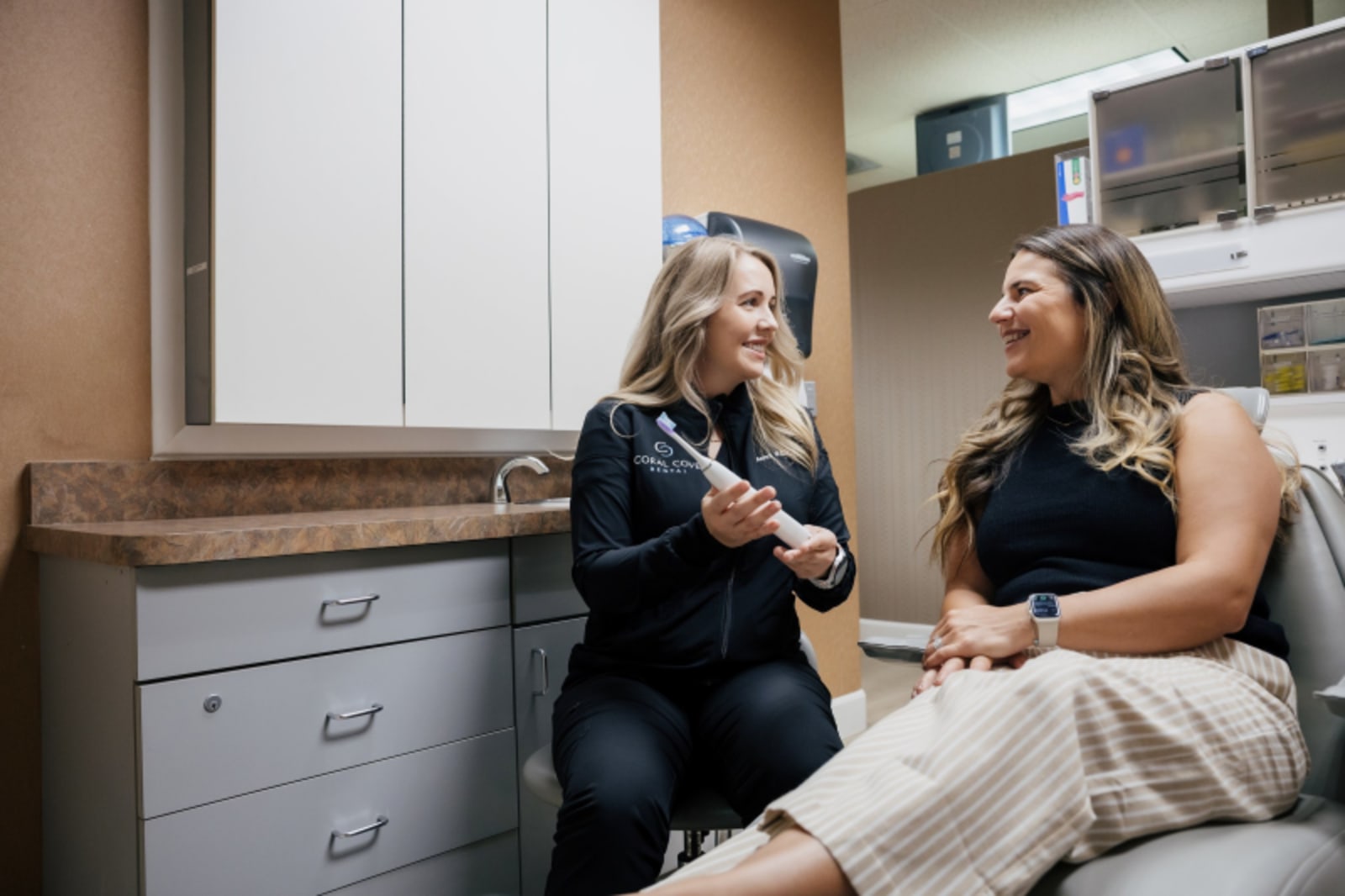
Once we determine that a bridge is appropriate, we’ll explain each step before treatment begins. While the exact process and timeline can vary depending on your needs, a traditional bridge generally involves the following:
1. Evaluation and Treatment Planning
Your first visit begins with an examination of the missing tooth or teeth and the surrounding structures. We’ll assess your oral health, bite, and the teeth that may support the bridge.
If you have cavities, gum concerns, an infection, or another issue that could affect the restoration, we may recommend addressing those concerns first.
2. Preparing the Supporting Teeth
For a traditional bridge, the teeth supporting the restoration are prepared so the crowns can fit securely over them.
Local anesthesia is used during this part of the procedure to keep you comfortable. The amount of preparation depends on the condition of the supporting teeth and the design of your bridge.
3. Digital Scan or Impression
We’ll take the information needed to create your restoration. Depending on your treatment, this may involve a digital scan or traditional impression.
These records help the dental laboratory create a bridge designed to fit the prepared teeth and work with your existing bite.
4. Temporary Restoration
If your permanent bridge is being fabricated at a dental laboratory, we may place a temporary bridge while you wait.
The temporary restoration helps protect the prepared teeth and maintain the appearance and function of the area between appointments.
5. Placement of the Permanent Bridge
At your follow-up appointment, we’ll remove the temporary restoration and evaluate the permanent bridge.
We’ll check the fit, appearance, contacts between the teeth, and your bite. If adjustments are needed, we’ll make them before securing the bridge in place.
6. Recovery and Getting Used to Your Bridge
After your permanent bridge is placed, it’s normal for the area to feel a little different at first. The supporting teeth may also have temporary sensitivity, especially to hot or cold foods. Most people adjust as they get used to the new restoration. We may recommend avoiding particularly hard or sticky foods initially.
If your bridge feels high when you bite, remains uncomfortable, or doesn’t feel properly positioned, let us know so we can check the fit and make any needed adjustments.
How Long Does a Dental Bridge Last?
The lifespan of a dental bridge depends on several factors, including the materials used, the condition of the supporting teeth, your bite, and how well you maintain your oral health.
With appropriate care, a bridge can provide many years of service. However, no dental restoration lasts forever. The teeth supporting the bridge can still experience decay, gum disease, wear, or other problems over time.
Regular dental visits allow us to monitor the bridge and the teeth around it so we can identify concerns before they become more significant.
If you grind or clench your teeth, let us know. Excessive forces can place additional stress on a bridge and the teeth supporting it.
Dental Bridge vs. Dental Implant vs. Partial Denture
A dental bridge is one of several ways to replace a missing tooth. Understanding how the options differ can help you have a more useful conversation during your consultation.
A traditional dental bridge uses neighboring teeth for support. It may be a practical choice when those teeth are healthy and suitable for crowns, particularly when you want a fixed restoration.
A dental implant is placed into the jawbone and can support a crown or another restoration without relying on neighboring natural teeth. Implant treatment involves additional considerations, including bone availability, healing, and surgical treatment.
A removable partial denture can replace one or more missing teeth and can be taken out for cleaning. This may be useful when several teeth are missing or when the surrounding teeth are not suitable for supporting a traditional bridge.
There is no single replacement option that works best for everyone. Your oral health, the location and number of missing teeth, the condition of surrounding teeth, your preferences, and your long-term goals all play a role. During your consultation, we’ll explain which options may be appropriate and why.
What Happens If You Don't Replace a Missing Tooth?
Leaving a missing tooth untreated can affect more than the appearance of your smile. Neighboring teeth may gradually shift toward the open space, while the opposing tooth may also move because it no longer has the same contact during biting. These changes can affect your bite and make the area more difficult to clean.
The bone surrounding a missing tooth can also change over time because it no longer receives the same stimulation from the tooth root.
Not every missing tooth needs to be replaced immediately, and the right approach depends on your individual circumstances. If you have been living with a missing tooth for some time, we can examine the area and discuss whether replacement would benefit your oral health and function.
Cost, Insurance, and Payment Options
The cost of a dental bridge varies based on factors such as the number of teeth being replaced, the type of bridge, the materials used, and any additional treatment needed before the restoration can be placed.
Dental insurance may cover part of bridge treatment, but benefits vary by plan. Coverage can depend on your specific policy, deductible, annual maximum, and limitations related to tooth replacement.
Our team can help you understand your available benefits and review the expected cost of treatment before you move forward. We can also discuss available payment options if you have an out-of-pocket portion.
Why Choose Coral Cove Dental for a Dental Bridge?
Replacing a missing tooth is a personal decision, and we want you to feel comfortable asking questions and taking the time you need to understand your options.
At Coral Cove Dental, we take a thoughtful approach to restorative care. We’ll evaluate your teeth and gums, explain what we find, and help you understand whether a bridge or another restoration may be a better fit.
Our approach includes:
- Personalized treatment planning: We consider your teeth, gums, bite, and overall dental needs.
- Clear communication: We explain your options without overwhelming you with technical details.
- Comprehensive care: We can discuss different approaches to replacing missing teeth based on your individual situation.
- A welcoming environment: We want your visits to feel comfortable and straightforward.
- Local care: Our Loma Linda office serves people throughout the surrounding community.
Frequently Asked Questions
Does getting a dental bridge hurt?
Local anesthesia is used when preparing the supporting teeth, so you should not feel the procedure itself. Some temporary sensitivity or soreness may occur afterward as you adjust to the restoration.
Can a dental bridge replace more than one tooth?
Yes. A bridge can replace more than one missing tooth in a row in certain situations. The design depends on the location of the missing teeth and whether the surrounding structures can provide adequate support.
Will a dental bridge look natural?
A bridge is designed to blend with the surrounding teeth in shape, size, and color. The final appearance depends on the location of the bridge, your surrounding teeth, and the materials used.
Can a bridge come loose?
A bridge can become loose or damaged. If you notice movement, discomfort, sensitivity, or a change in your bite, contact our office so we can evaluate it.
Can I get a bridge if I have gum disease?
Active gum disease may need to be addressed before a bridge is placed. Healthy gums and supporting teeth are important for the long-term success of the restoration.
Is a dental bridge permanent?
A bridge is considered a fixed restoration because it is secured in place and cannot be removed by you. However, fixed does not mean permanent. Bridges may eventually need repair or replacement depending on their condition and the health of the supporting teeth.
Restore Your Smile With Personalized Care in Loma Linda
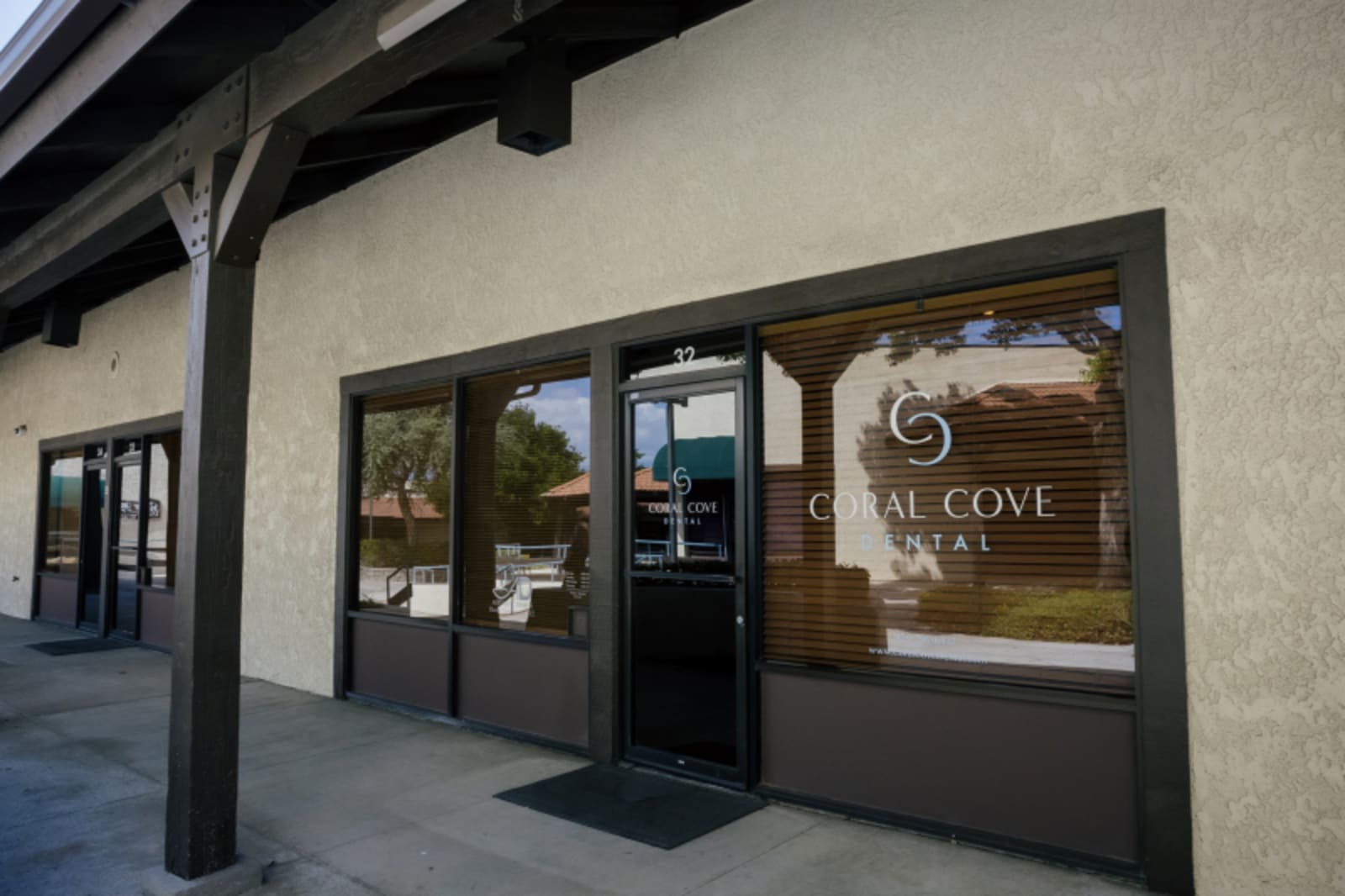
Living with a missing tooth can affect your smile, your confidence, and the way you eat or speak. A dental bridge may offer a practical way to fill the space with a fixed restoration while restoring everyday function.
We’ll take the time to understand your situation and explain whether a bridge, dental implant, partial denture, or another option may make sense for you. You can always ask questions and understand your choices before moving forward.
Call Coral Cove Dental at (909) 796-6447 or request an appointment online. We’d be happy to discuss your options.
We can't wait toConnect
Call (909) 796-6447 or request an appointment online to set up your first visit. We’ll be in touch soon.