Dental Crowns in Loma Linda, CA | Coral Cove Dental

Dental Crowns in Loma Linda, CA: Restore and Protect Damaged Teeth
When a tooth has more damage than a filling can reliably repair, a dental crown may provide the protection and support it needs. Crowns can restore teeth affected by extensive decay, fractures, large existing fillings, significant wear, or previous root canal treatment.
At Coral Cove Dental, Dr. Johnson, Dr. Gladvin and our team evaluate the condition of the tooth, the surrounding teeth and gums, your bite, and the amount of healthy tooth structure remaining before recommending a crown. Our goal is to choose a restoration that provides a predictable way to restore the tooth's function and appearance.
If you're considering a dental crown in Loma Linda, call us at (909) 796-6447 to schedule an evaluation. We're welcoming new patients and can explain your options before you decide whether treatment is right for you.
Quick Takeaways
- Dental crowns restore and protect teeth weakened by decay, fractures, large fillings, or wear.
- Crowns may also protect teeth after root canal treatment when additional support is needed.
- Treatment typically involves preparing the tooth, taking a digital scan or impression, and placing a temporary and permanent crown.
- Recovery and treatment time vary depending on the tooth and your individual needs.
- During your consultation, we’ll determine whether a crown or another restoration is the best option for your tooth.
What Is a Dental Crown?
A dental crown is a custom-made restoration that fits over a prepared tooth. It restores the tooth's shape and function while covering and protecting the remaining tooth structure.
Crowns are different from fillings because they cover a much larger portion of the tooth. A filling can restore a smaller area of decay or damage, while a crown may be considered when the tooth has lost enough structure that a filling alone would not provide adequate support.
Crowns can be made from several materials, including ceramic, porcelain, metal, or combinations of materials. The appropriate material depends on factors such as the location of the tooth, the amount of force it receives when you bite, the remaining tooth structure, and your aesthetic goals.
Our recommendation is based on the condition and function of the individual tooth rather than using the same crown material for every situation.
When You Might Need a Dental Crown
A crown may be recommended when a tooth needs more protection or support than a filling can provide. Common reasons include:
Extensive Decay
Significant decay can weaken a tooth enough that a filling may not provide adequate support. A crown can protect the remaining healthy structure when the tooth is still restorable.
Cracked or Fractured Teeth
Some cracks can be treated conservatively, while others require a crown to protect the tooth from further damage. We’ll evaluate the location and extent of the fracture before recommending treatment.
Large or Failing Fillings
Large or repeatedly failing fillings can leave a tooth weakened. A crown may provide more comprehensive protection when enough healthy tooth structure remains.
After Root Canal Treatment
Depending on how much tooth structure remains, a tooth that has had root canal treatment may need a crown or another protective restoration. Back teeth often need additional support because they withstand greater biting forces.
Significant Tooth Wear
Grinding, clenching, acid erosion, and other factors can wear down teeth over time. A crown may help restore significantly worn teeth, while addressing the underlying cause of the wear.
Certain Cosmetic Concerns
Crowns can improve the shape or appearance of a tooth, but they require some removal of natural tooth structure. When appropriate, we may consider more conservative options such as veneers or bonding.
Are You a Good Candidate for a Dental Crown?
Whether a crown is appropriate depends on the condition of your tooth and how predictable the restoration is likely to be.
During your evaluation, we'll look at:
- How much healthy tooth structure remains
- The location and extent of any decay or fracture
- The health of the surrounding gums and bone
- Your bite and the amount of force placed on the tooth
- Whether the tooth has had a root canal
- The condition of any existing filling or crown
- Your overall oral health
- Whether another treatment could preserve more natural tooth structure
A crown isn't always the first or only option. If a filling, bonding, inlay, onlay, veneer, or another treatment can restore the tooth appropriately while preserving more healthy structure, we'll discuss that with you.
In some cases, however, a tooth may be too extensively damaged for a crown to provide a predictable result. If the tooth cannot be restored, we'll explain the alternatives and what those options involve.
What Getting a Dental Crown at Coral Cove Dental Looks Like

The crown process varies depending on the tooth and the type of restoration being used, but treatment generally involves several stages.
1. Examination and Treatment Planning
We begin by examining the tooth and assessing your overall oral health. Depending on the situation, we may take X-rays, photographs, or digital scans.
We'll discuss what is affecting the tooth and explain whether a crown is appropriate. If there are other treatment options worth considering, we'll go over those as well.
2. Preparing the Tooth
If a crown is the appropriate treatment, we'll numb the area with local anesthetic before preparing the tooth.
A small amount of tooth structure is removed to create enough space for the crown and establish a stable foundation for the restoration. The amount of preparation depends on the tooth and the type of crown being placed.
3. Digital Scan or Impression
After the tooth is prepared, we'll capture its shape and your bite using a digital scan or another impression technique.
This information is used to create a crown that fits the prepared tooth and works with the surrounding teeth.
4. Temporary Crown
If your permanent crown is being made separately, we'll place a temporary crown to protect the prepared tooth while you wait.
Your temporary crown isn't intended to function as your permanent restoration, so you'll receive instructions about eating, cleaning, and caring for it until your next appointment.
5. Permanent Crown Placement
Once your permanent crown is ready, we'll check its fit, appearance, and bite before cementing it into place.
If the bite needs an adjustment, we'll make the necessary changes so the restoration functions comfortably with your surrounding teeth.
How Long Do Dental Crowns Last?
With appropriate care, many crowns can last for many years, but individual results vary. A crown's longevity depends on several factors.
How long it lasts can be influenced by:
- Your oral hygiene
- The health of the natural tooth underneath the crown
- Your bite and the amount of force placed on the tooth
- Grinding or clenching
- The crown material
- The quality and fit of the restoration
- Regular dental examinations and cleanings
The natural tooth beneath a crown still needs to be protected, so brushing and flossing remain important after treatment.
How Do Dental Crowns Compare With Other Restorations?
Crowns are one of several ways to restore a damaged tooth. The right option depends on the amount of healthy tooth structure remaining, the type of damage, and your bite.
Dental Fillings
Fillings may be appropriate for smaller areas of decay or damage when enough healthy tooth structure remains.
A crown may be recommended when a tooth has been weakened beyond what a filling can reliably support.
Dental Veneers
Veneers are thin restorations placed on the front of a tooth, typically to address cosmetic concerns such as color, shape, minor chips, or spacing.
If a tooth needs greater structural support, a crown may be more appropriate. Because crowns require more preparation of the natural tooth, we consider conservative options whenever they can provide a predictable result.
Which Restoration Is Right for You?
Depending on your tooth, we may recommend a filling, crown, veneer, bonding, inlay, onlay, or another restoration. We’ll evaluate your tooth and discuss the options that can restore it while preserving as much healthy structure as possible.
Caring for Your Dental Crown
A crowned tooth still needs regular care. While the crown itself cannot develop a cavity, the natural tooth underneath and around it can still be affected by decay or gum disease.
To protect your crown:
- Brush twice a day with fluoride toothpaste unless we recommend otherwise
- Clean between your teeth daily
- Keep up with regular dental exams and cleanings
- Avoid using your teeth as tools
- Tell us if you grind or clench your teeth
- Contact us if your crown becomes loose, damaged, or uncomfortable
With consistent care, you can help protect both your crown and the natural tooth supporting it.
Dental Crown Costs, Insurance, and Payment Options
The cost of a dental crown depends on several factors, including the tooth being restored, the material selected, the complexity of the case, and whether additional treatment is needed.
Because every crown case is different, we don't recommend relying on a generic price range to determine what your treatment will cost.
Dental insurance coverage also varies by plan. Some plans provide benefits toward crowns when they meet the plan's coverage criteria, while deductibles, annual maximums, waiting periods, exclusions, and other limitations can affect your actual out-of-pocket responsibility.
Before treatment, our team can help you understand your estimated benefits and the portion of the treatment your plan may cover. If you have questions about your insurance or payment options, call us at (909) 796-6447.
Why Choose Coral Cove Dental for a Dental Crown?
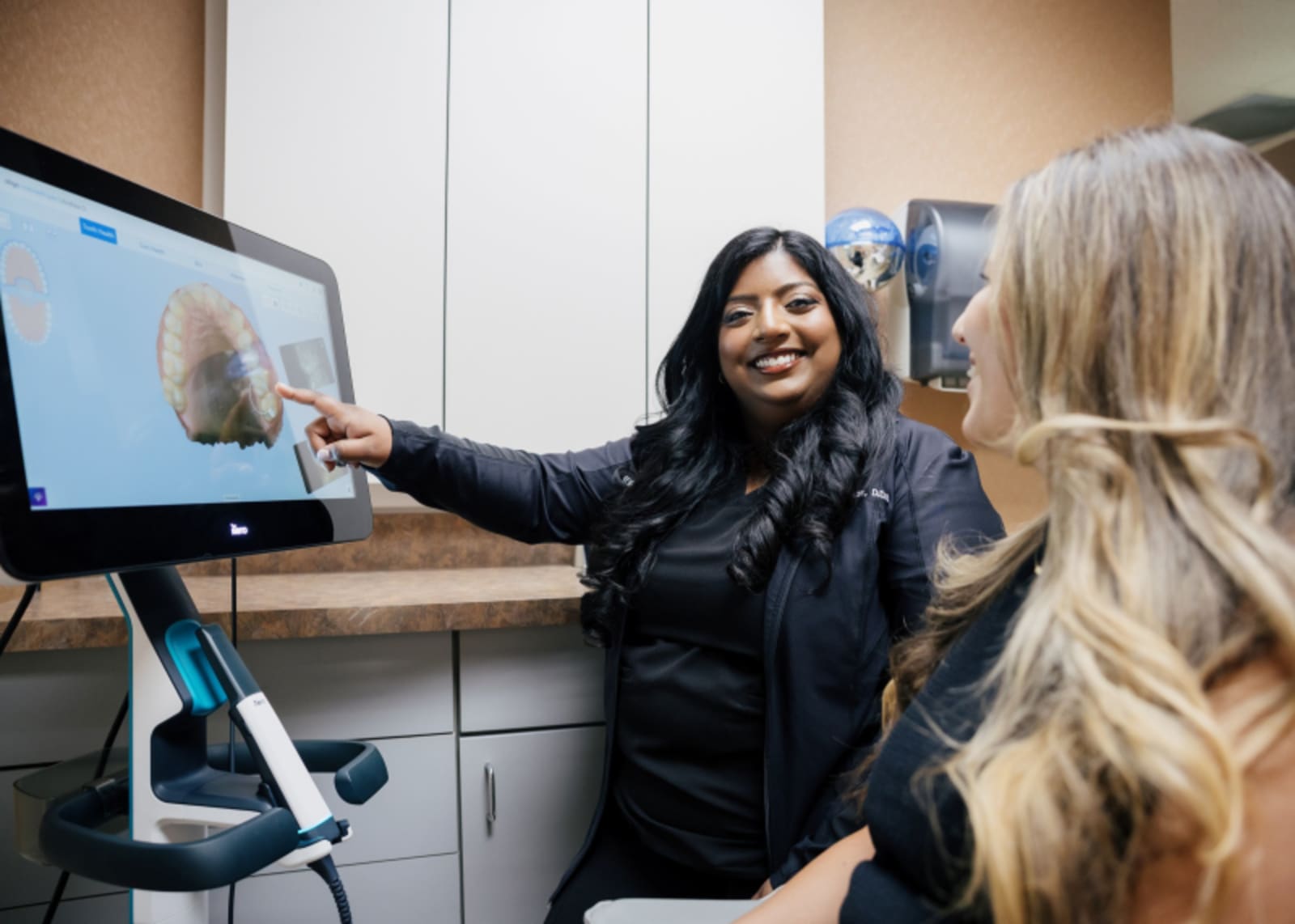
When a tooth needs significant restorative care, we want you to understand why a crown is being recommended and what options you may have.
At Coral Cove Dental, we take time to evaluate your tooth, explain our findings, and help you feel comfortable with your treatment plan.
Our approach includes:
- Personalized care: We consider your tooth, bite, and overall oral health when planning treatment.
- Clear communication: We explain what we’re treating, why we recommend it, and what to expect.
- Comprehensive care: We can address your restorative needs alongside your ongoing oral health.
- Convenient local care: Receive your dental care in one familiar Loma Linda office.
- A comfortable experience: We welcome your questions and concerns throughout treatment.
Frequently Asked Questions
Does getting a dental crown hurt?
The tooth is numbed with local anesthetic during the preparation appointment, so you should not feel pain from the procedure itself. Some sensitivity or soreness afterward is possible.
Can a tooth with a crown still get a cavity?
Yes. The crown itself cannot develop decay, but the natural tooth underneath and around its edges can. Good brushing, daily cleaning between your teeth, and regular dental care are important for protecting the tooth.
Can I eat normally after getting a crown?
You'll receive specific instructions based on whether you have a temporary or permanent crown. Temporary crowns generally require more care, particularly with very sticky or hard foods. Once your permanent crown is placed and any initial sensitivity has settled, you can generally return to your normal diet.
What should I do if my temporary crown comes off?
Contact our office if your temporary crown becomes loose or comes off. Don't try to permanently reattach it yourself. We'll let you know what to do and whether you need to come in before your scheduled appointment.
Do all root canal teeth need crowns?
Not necessarily. The appropriate restoration depends on the amount of remaining tooth structure, which tooth was treated, and the forces it will experience during normal function. We'll evaluate the tooth and recommend the type of restoration that provides appropriate protection.
What happens if I don't get a crown when one is recommended?
A weakened tooth can become more damaged over time, particularly if it is exposed to substantial biting forces. Depending on the underlying problem, further damage could make the tooth more difficult or impossible to restore. That doesn't mean every tooth requiring a crown will eventually need extraction if treatment is delayed, but postponing recommended restorative care can affect the available treatment options.
Can I get a crown for cosmetic reasons?
Crowns can change the appearance of a tooth, but they require preparation of natural tooth structure. For a primarily cosmetic concern, we may consider whether a more conservative option, such as bonding or a veneer, would be appropriate.
How long will my dental crown last?
Crowns can last for many years with appropriate care, but there is no guaranteed lifespan. Oral hygiene, bite forces, grinding, the crown material, and the health of the natural tooth can all affect longevity.
Ready to Find Out If You Need a Dental Crown?
If you have a damaged, cracked, heavily restored, or worn tooth, an evaluation can help you understand what is happening and which treatment options are available.
At Coral Cove Dental, we'll examine the tooth, discuss your concerns, and explain whether a crown or another restoration makes the most sense for your situation.
Call us at (909) 796-6447 to schedule an appointment at our Loma Linda office, or request an appointment online. We're located at 11285 Mountain View Avenue, Suite H-32 in Loma Linda, CA.
We can't wait toConnect
Call (909) 796-6447 or request an appointment online to set up your first visit. We’ll be in touch soon.